
– What is endometriosis?
It’s a disease occurs because tissue similar to the tissue that normally lines the inside of uterus — the endometrium — grows outside uterus. Endometriosis most commonly involves your ovaries, fallopian tubes and the tissue lining your pelvis. Rarely, endometrial-like tissue may be found beyond the area where pelvic organs are located.
This tissue has the same characteristics as the uterine wall; It thickens, breaks down and bleeds with each menstrual cycle. But because this tissue has no way to exit your body, it becomes trapped.
When endometriosis involves the ovaries, cysts called endometriomas may form. Surrounding tissue can become irritated, eventually developing scar tissue and adhesions — bands of fibrous tissue that can cause pelvic tissues and organs to stick to each other.
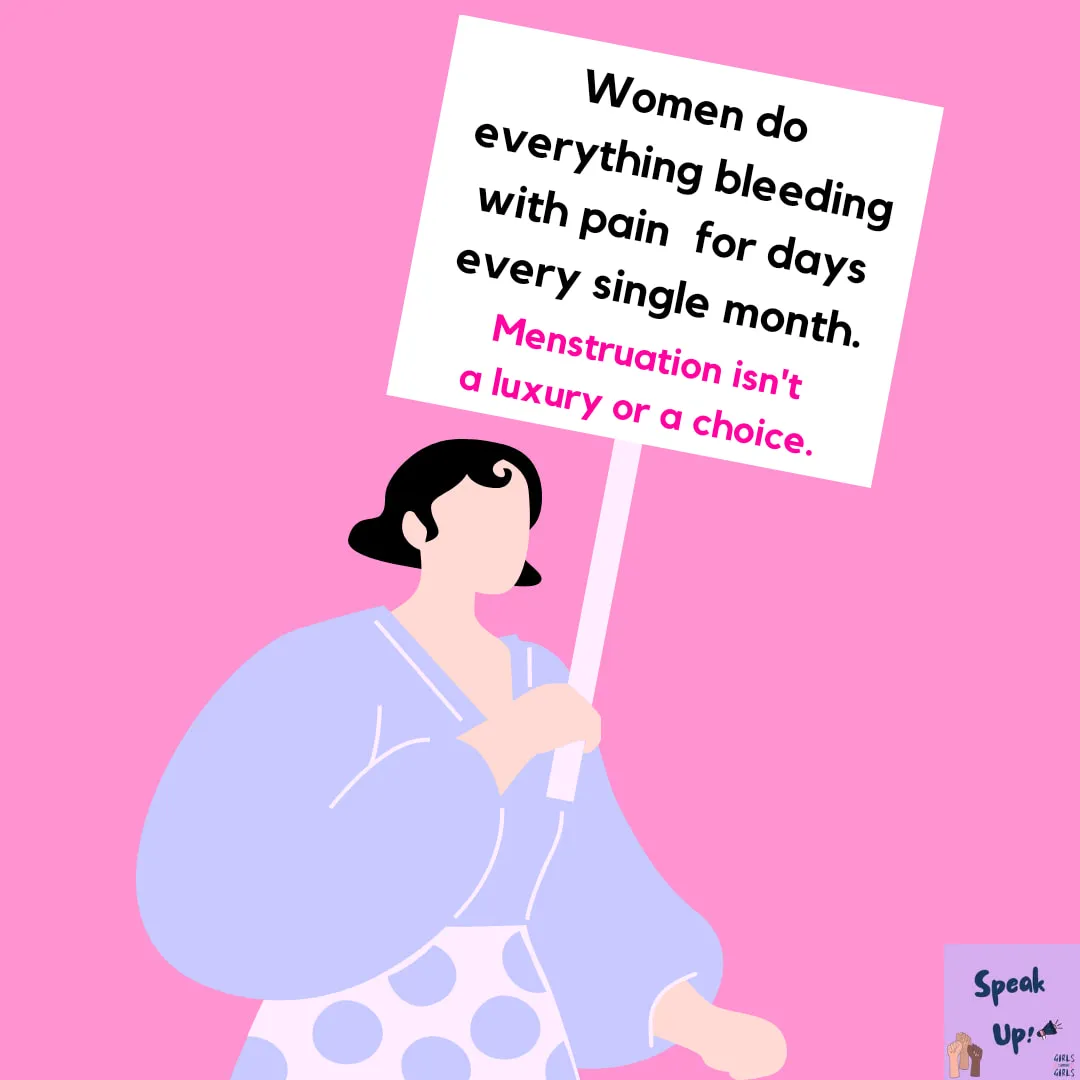
The pain is very severe, but most women think it’s the natural period pain, and other times, the disease is present without any symptoms and is discovered due to surgery, x-rays, or as a cause of infertility.
– Symptoms of endometriosis:
1. Pelvic pain.
2. Severe pain and cramps before and during the period.
3. Pain during or after intercourse.
4. Pain with bowel movements or urination.
5. Excessive bleeding, or bleeding between menstrual periods.
6. Infertility.
7. Tiredness, diarrhea, constipation, bloating, or nausea, especially during menstrual periods.
– Diagnosis of endometriosis:
If you have severe pain with periods, you must visit a specialized doctor, and he will be able to diagnose the disease through many ways including: medical history / pelvic examination MRI / Ultrasound / surgery / endoscopy.
– Endometriosis treatment:
There is no specific treatment, and it depends on the severity of the symptoms for each girl/woman and if she wants to have babies or not.
Treatment consists of three main things:
1. Painkillers.
2. Hormone therapy.
3. Surgery.